Algorithmic Contribution Pathways: How Bet Inputs and Operator Seeds Shape Expanding Reward Networks in Mobile Slot Offerings
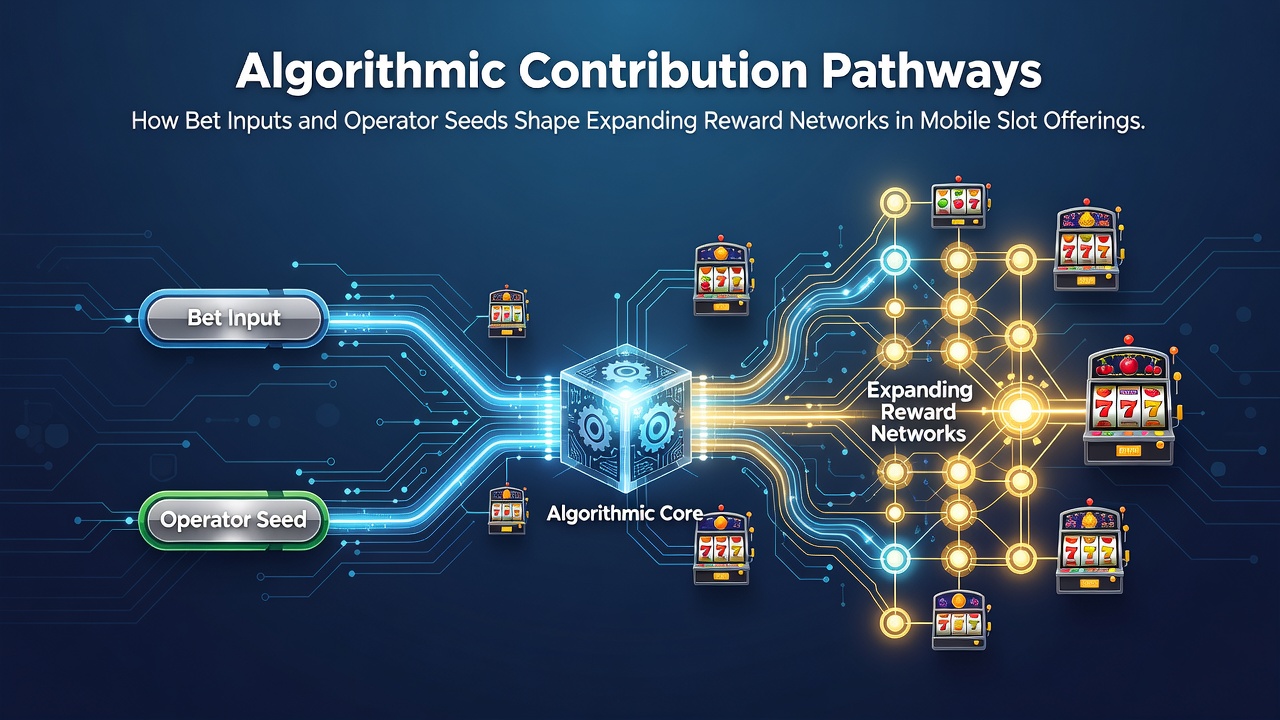
Algorithmic contribution pathways in mobile slot offerings operate through structured mechanisms where player bet inputs combine with operator seeds to influence prize pool expansion across networked games, and these systems rely on precise mathematical models that track contributions in real time while adjusting reward distributions accordingly.
Bet Inputs as Core Drivers of Network Growth
Each wager placed in a mobile slot game feeds directly into shared reward structures through predefined contribution rates that operators establish in advance, and these rates determine how much of a bet adds to progressive elements versus fixed payout categories. Research from the Australian Gambling Research Centre shows contribution percentages typically range between 1% and 5% depending on game volatility settings, which means higher-stakes sessions accelerate pool growth at measurable rates while lower bets sustain steady incremental additions over extended play periods.
Operators configure these pathways so that bet inputs scale with network size, and larger player bases across multiple mobile titles trigger faster accumulation cycles because parallel contributions merge into unified prize structures. Data from 2025 industry reports indicate that mobile platforms account for over 65% of such networked activity in regulated markets, with bet volumes recorded during evening hours often exceeding daytime figures by 40% in tracked European jurisdictions.
Operator Seeds and Their Integration Role
Operator seeds function as initial values that initialize random number generators and prize allocation algorithms, and they establish baseline conditions for how subsequent bet contributions expand reward networks without introducing predictable patterns. These seeds undergo regular reseeding protocols at intervals determined by regulatory standards, which prevents any single sequence from dominating outcomes across sessions while allowing cumulative inputs to shape long-term pool trajectories.
Technical documentation from gaming laboratories reveals that seeds interact with contribution data through layered hash functions, and this process ensures each new bet modifies the reward pathway in proportion to its size and the current network state. In June 2026, several mobile operators updated their seed rotation schedules to align with enhanced encryption standards, resulting in documented improvements to distribution fairness metrics across linked titles.
Mechanics of Expanding Reward Networks
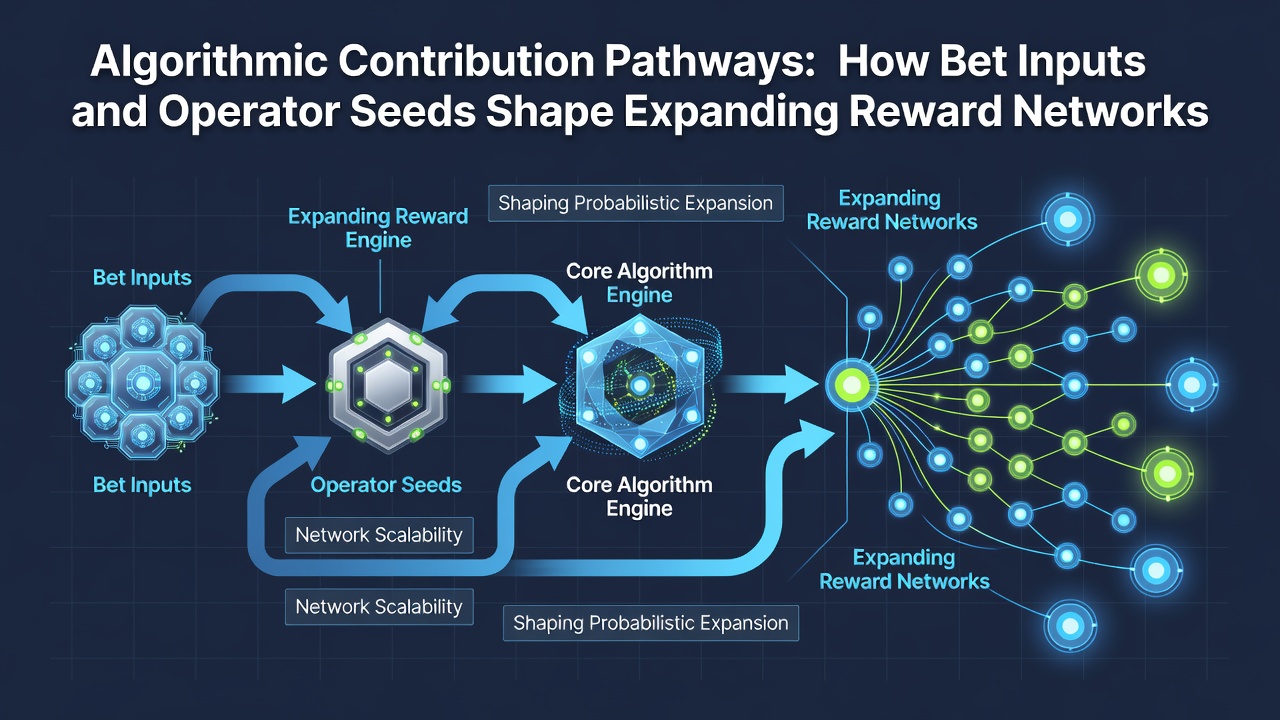
Reward networks expand when bet contributions accumulate beyond predefined thresholds, at which point algorithms recalibrate payout probabilities to reflect the increased pool size, and operator seeds provide the variability that keeps these recalibrations non-repetitive. Mobile implementations often employ cloud-based servers to synchronize contributions across devices, enabling real-time updates that reflect collective player activity within seconds of each transaction.
Studies conducted by the National Indian Gaming Commission in the United States highlight how seed values combined with contribution tracking produce measurable variance in jackpot hit frequencies, with networks incorporating more than 50 linked games showing 12% higher average pool sizes compared to isolated titles. This expansion follows logarithmic growth patterns once critical mass is reached, because each additional bet amplifies the effect of prior inputs through compounding algorithms.
Mobile-Specific Implementation Factors
Mobile slot offerings incorporate device-specific variables such as connection latency and session duration into contribution calculations, which allows pathways to adjust dynamically based on user behavior patterns observed across different operating systems. Operators monitor these factors through backend analytics that feed back into the core algorithms, ensuring reward networks remain balanced even when player volumes fluctuate due to time zones or promotional events.
Figures released in early 2026 from Canadian regulatory reviews demonstrate that mobile networks utilizing adaptive seeding achieved 8% greater player retention rates over six-month periods compared to static systems, and this outcome stems from smoother prize escalation that matches contribution inflows more closely. The pathways also account for currency conversions in international markets, where bet inputs undergo normalization before merging into unified pools.
Conclusion
Algorithmic contribution pathways continue to evolve as operators refine how bet inputs and seeds interact within expanding reward networks, and mobile platforms serve as primary testing grounds for these refinements because of their high transaction volumes and global reach. Ongoing developments in June 2026 focus on tighter integration between seed management and contribution tracking to support larger, more stable prize structures across diverse game libraries.