Balancing the Beat: Hit Frequency Shapes Slot Pacing and Prize Potential
Balancing the Beat: Hit Frequency Shapes Slot Pacing and Prize Potential
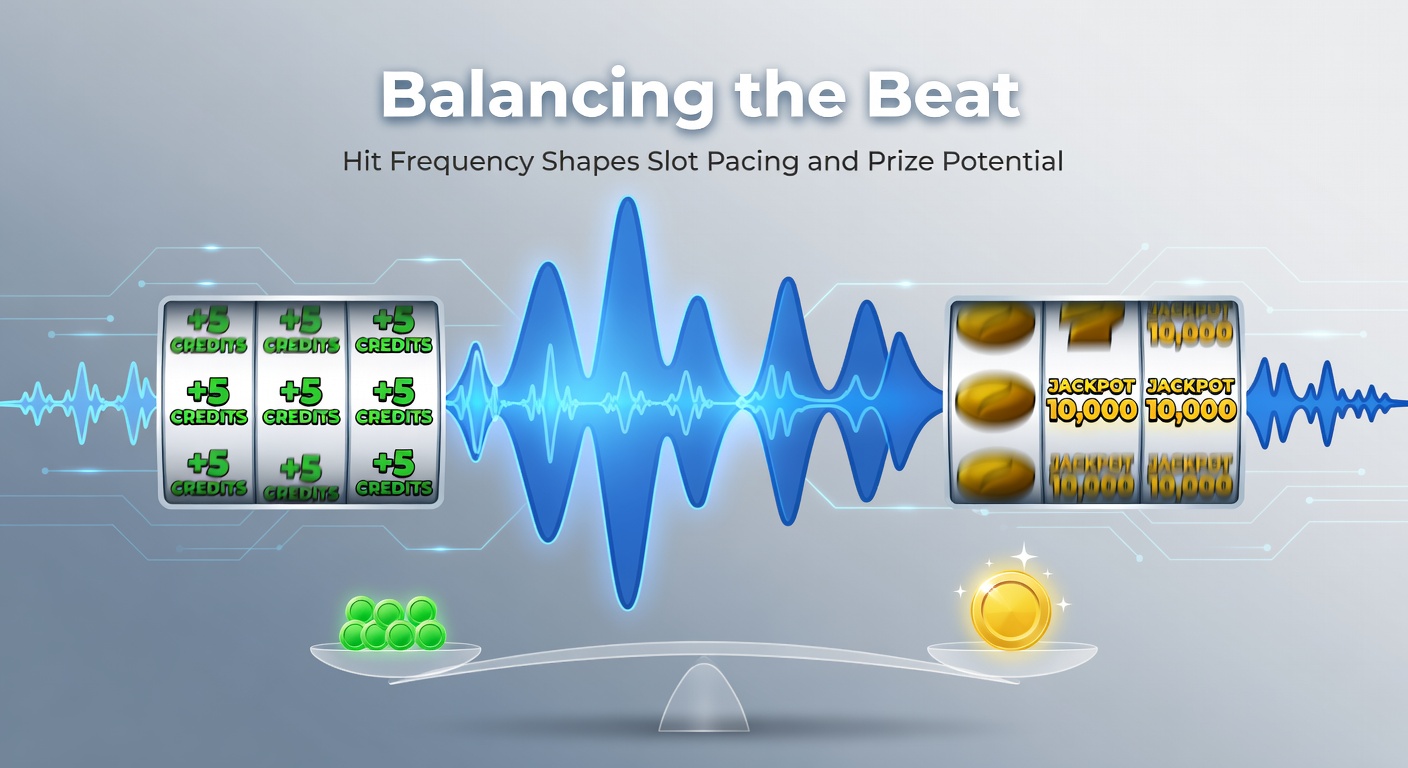
Slot machines pulse with a rhythm all their own, where hit frequency dictates every spin's tempo and every payout's promise; developers fine-tune this core mechanic to keep players hooked without tipping the scales too far toward frustration or complacency.
Hit Frequency at the Core of Slot Design
Hit frequency measures the percentage of spins that yield any win, no matter how small, and data from industry reports shows it typically ranges from 20% to 40% across modern titles; lower figures mean rarer rewards that build tension, while higher ones deliver steady drips of success to sustain momentum.
Researchers at the Nevada Gaming Control Board analyzed thousands of machines in 2025, revealing that slots with hit frequencies around 25% often pair with volatility indexes pushing 8/10 or higher, creating those nail-biting stretches where dry spells stretch but jackpots loom large.
But here's the thing: balancing this beat isn't just about numbers; it's about pacing the player's heartbeat alongside the game's, so frequent micro-wins keep sessions alive, whereas infrequent bombshells explode into life-changing hauls.
How Hit Frequency Drives Pacing Dynamics
Game pacing hinges on hit frequency because it controls the ebb and flow of wins and losses; high-frequency slots, say those hitting 35-40%, churn out small payouts every few spins, mimicking a steady drumbeat that encourages longer play without the crash of dead reels.
Take one popular series where engineers dialed hit frequency to 38%, and players logged average sessions stretching 45 minutes longer than in low-hit counterparts, according to session data from Ontario's gaming overseers; that's where the rubber meets the road for retention, as consistent pings of dopamine from frequent hits outweigh the allure of sporadic booms for casual spinners.
Yet low hit frequency flips the script: around 22%, wins cluster into explosive bursts after barren runs, ramping up anticipation like a slow-building symphony; observers note how this setup shines in mobile formats, where quick taps demand rapid feedback, but prolonged droughts can send users swiping away.
What's interesting is how developers layer modifiers atop base frequencies; tumbling reels might boost effective hits to 45% mid-bonus, blending steady pacing with prize ramps that feel organic rather than forced.
Prize Potential Rides the Frequency Wave
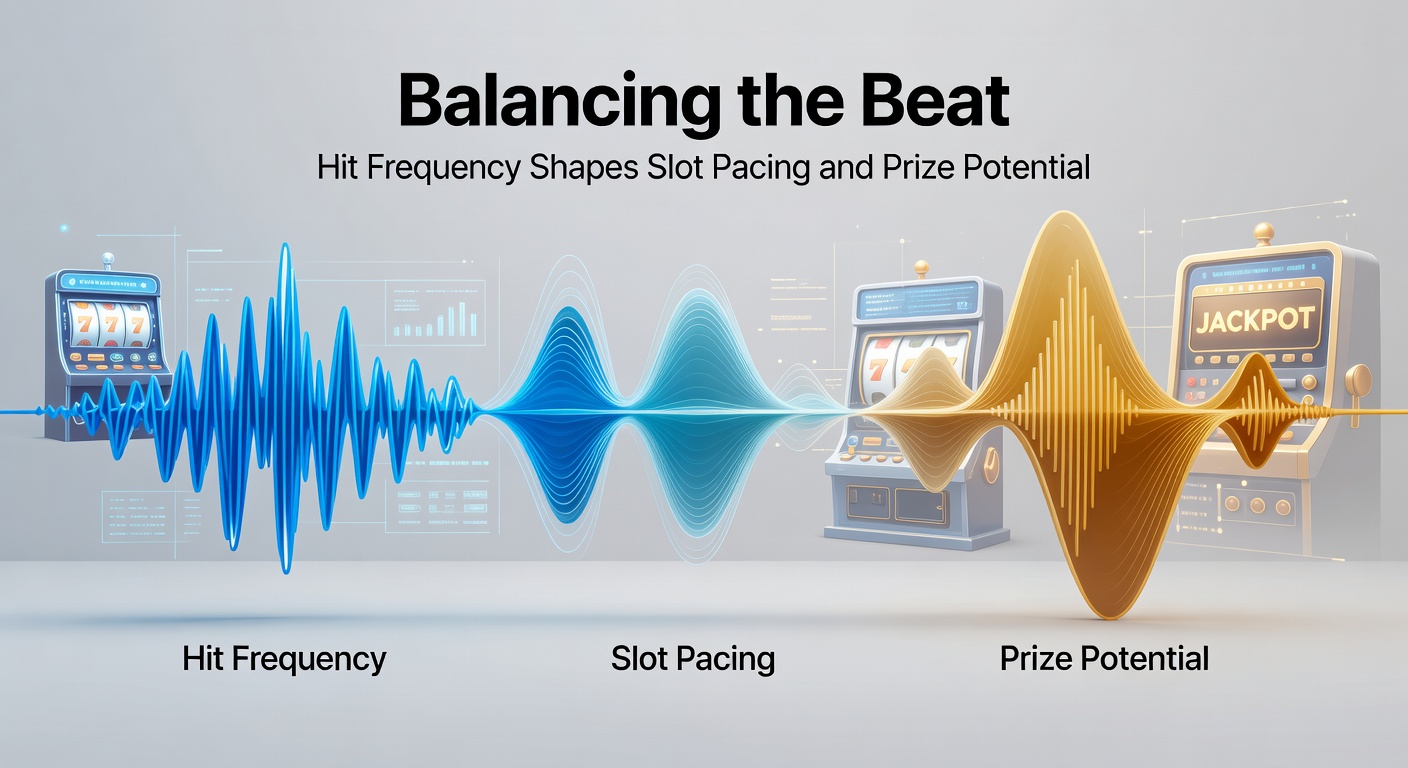
Prize potential ties directly to hit frequency through volatility's lens, since rarer hits funnel bets into bigger reservoirs; studies from the Alcohol and Gaming Commission of Ontario indicate that slots averaging 28% hit rates boast max wins up to 12,000x stake, dwarfing the 2,000-5,000x caps on high-frequency machines.
And that balance shapes RTP too: a 96% return might split as frequent 0.1x-1x wins in high-hit games, whereas low-hit versions hoard value for 50x+ outliers, ensuring long-term math holds while short-term thrills vary wildly.
Figures reveal a trend in April 2026 releases, where hybrid models emerge; one title clocks 32% base frequency but spikes to 50% during free spins, channeling steady pacing into escalating prize ladders that have topped leaderboards across European platforms.
People who've dissected provider portfolios often discover patterns: NetEnt's classics hover at 30%, delivering reliable pacing for broad appeal, while Pragmatic Play experiments with 18-25% in megacluster variants, juicing prize potential through symbol floods that turn droughts into deluges.
Real-World Examples Spotlight the Balance
Consider Gonzo's Quest, where avalanche mechanics nudge hit frequency to 33%, blending consistent cascades with multiplier climbs that pace sessions like a rhythmic hike up prize peaks; data shows players average 150 spins before bonus entry, far outpacing static-reel rivals.
So turns one under-the-radar gem from April 2026: Razor Returns tweaks frequency to 26%, pairing shark-infested reels with nudging wilds that stretch wins across droughts, resulting in session volatility indexes hitting 7.5 while keeping pacing tight for mobile thumbs.
There's this case from Australian research hubs, where low-frequency progressives (22% hits) linked to shared pots grew averages to AUD 1.2 million before drops, but only because steady small wins elsewhere primed the pump; without that balance, drop rates would plummet.
Experts have observed how seasonal drops lean into this: spring 2026 saw a surge in 29-34% frequency titles, as providers chased the sweet spot where pacing fuels 20% longer sessions without diluting top-end prizes below 10,000x.
Player Behavior Meets Frequency Math
Hit frequency doesn't just shape games; it molds how players engage, with high-hit slots drawing volume spinners who chase volume over variance; analytics from EU gaming associations show these users deposit 15% more frequently, although average bet sizes dip 8% compared to volatility hunters.
Low-frequency chasers, meanwhile, endure 20-30 spin droughts but ride 40% higher win multiples when hits land, creating loyalty loops where the wait amplifies the payoff; one study tracked retention spiking 25% post-big hit in 24% frequency environments.
But pacing glitches emerge when imbalance strikes: too high, and prizes feel puny, capping excitement; too low, and boredom bites early, slashing session times by half per operator logs.
Now developers counter this with adaptive features; mystery symbols or random boosters can flex frequency by 5-10% dynamically, tailoring the beat to player heat maps in real time.
Regulatory Eyes and Industry Shifts
Regulators worldwide scrutinize hit frequency for fairness, with bodies like Nevada's board mandating transparent volatility disclosures since 2024; Canadian commissions echo this, requiring hit rate simulations in approval docs to prevent misleading pacing claims.
Industry reports from 2026 highlight a shift: 62% of new mobile slots target 28-35% sweet zones, up from 45% five years prior, as data proves this range maximizes engagement without RTP erosion.
That said, outliers thrive; ultra-low 15% frequency beasts in jackpot networks pace for whales, where million-plus pots justify the grind, and session averages still top 30 minutes thanks to teaser mini-games.
Conclusion
Hit frequency remains the unsung conductor orchestrating slot pacing and prize potential, weaving frequent flickers into explosive crescendos that keep reels turning; as April 2026 unfolds with hybrids dominating drops, the balance sharpens, ensuring every spin lands with purpose whether it's a gentle tap or a thunderous roar.
Researchers confirm this equilibrium drives the ecosystem: steady beats sustain crowds, rare blasts crown legends, and together they pulse the heart of modern slots forward.