 British enthusiasts have developed systematic approaches to monitoring operator seed contributions and the algorithmic triggers that influence collective reward pools within regulated app-based platforms. These efforts focus on data patterns, contribution mechanics, and software-driven events that determine how pools expand over time. Regulated environments in the United Kingdom require transparent reporting of seed funding from operators, which enthusiasts compile through public disclosures and aggregated player data. Operators allocate initial seed amounts to progressive and collective pools as part of platform compliance. These seeds establish baseline values before player bets add incremental contributions. Enthusiasts examine regulatory filings to identify seed sizes across different operators, noting variations tied to game types and network structures. Data from sources such as the Alcohol and Gaming Commission of Ontario illustrates how similar seed protocols operate in other jurisdictions, providing comparative benchmarks for UK observers. Algorithmic triggers activate when certain thresholds or conditions occur within the software. These include bet volume milestones, time-based intervals, or random number generator events that release accelerated contributions from operator reserves. Enthusiasts log timestamped pool growth rates to isolate these triggers, cross-referencing them against app update logs and game rule disclosures. Research from the University of Nevada's International Gaming Institute indicates that such triggers often align with volatility settings programmed into slot engines, allowing pools to surge under specific parameters.
Methods Used to Track Contributions
Enthusiasts employ spreadsheets, custom scripts, and community-shared databases to record seed amounts and subsequent pool movements. They categorize contributions by operator, game category, and regulatory segment, creating timelines that reveal acceleration points. Public API endpoints from licensed platforms supply real-time pool values, which users aggregate to detect patterns across multiple apps.
One documented case involved a group that mapped seed injections during a multi-operator network expansion in early 2025. Their records showed consistent operator top-ups occurring after pool values crossed predefined algorithmic markers, confirming the role of automated rules in maintaining growth momentum.
Role of Regulated App Platforms
App-based platforms operate under strict licensing that mandates visible seed funding and contribution percentages. British enthusiasts review these mandates through operator transparency reports, which detail how base seeds combine with player-driven increments. Algorithmic layers then modulate release schedules, ensuring pools reach payout thresholds within expected windows while complying with fairness standards.
Figures from the Australian Gambling Research Centre demonstrate parallel tracking practices in other markets, where enthusiasts correlate seed data with payout frequency to understand collective pool dynamics. In the UK context, similar correlations help identify when operator interventions accelerate pools beyond standard bet contributions.
Developments Observed in August 2026
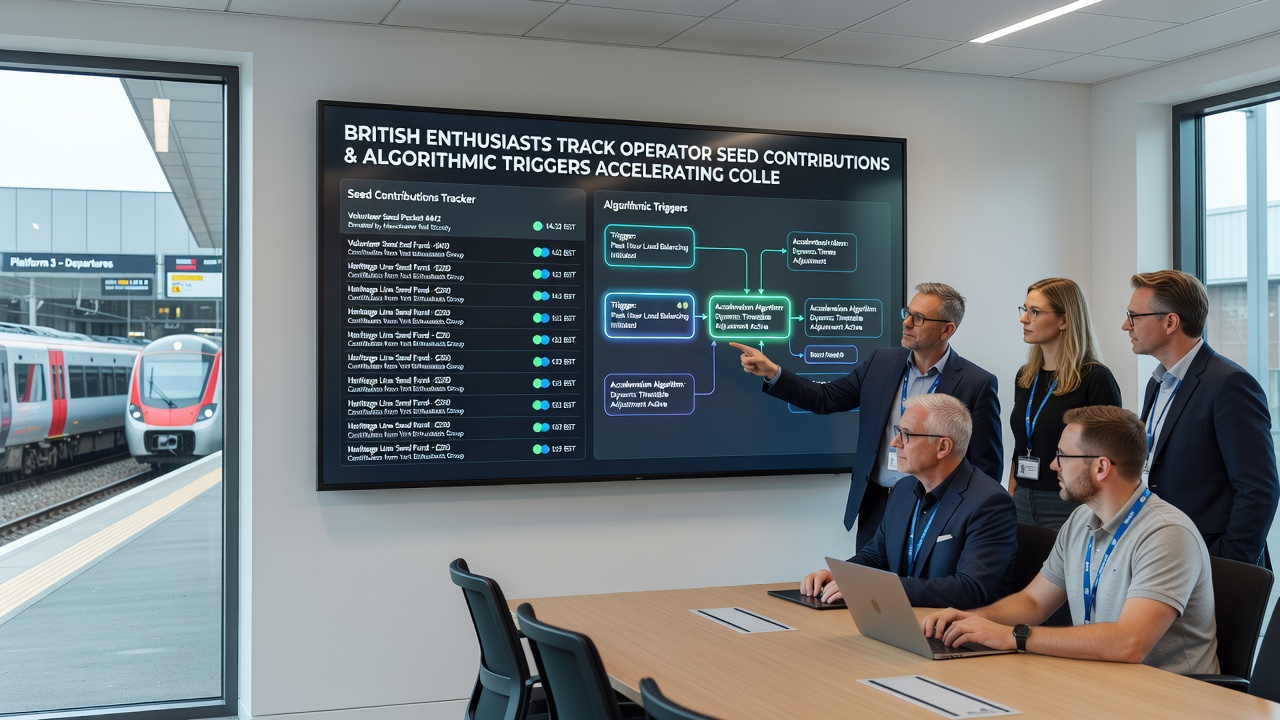
During August 2026, several regulated apps introduced updated pooling algorithms that incorporated real-time player activity metrics. Enthusiasts documented faster seed replenishment cycles following these changes, with pool growth rates increasing by measurable percentages in linked progressive titles. Community logs from that period highlight specific trigger events tied to evening usage peaks, when algorithmic multipliers engaged to boost collective contributions.
These updates aligned with broader platform optimizations that adjusted contribution rates based on network load. Observers compiled before-and-after comparisons showing how operator seeds interacted with the new triggers to produce steadier pool expansion across daily cycles.
Implications for Collective Reward Systems
Tracking efforts reveal that algorithmic triggers serve as control mechanisms balancing operator input with player activity. When seeds deplete after major distributions, automated rules initiate replenishment sequences that maintain pool viability. Enthusiasts note that regulated apps publish these mechanics in game specifications, enabling precise monitoring without access to proprietary code.
Patterns identified through sustained observation indicate that certain triggers respond to aggregate bet totals across linked titles. This interconnected structure allows one game's activity to influence pool acceleration in others, creating networked effects that enthusiasts map through multi-app data sets.
Conclusion
British enthusiasts continue refining their tracking techniques as operators release new app versions and regulatory frameworks evolve. Their work centers on verifiable data from seed disclosures and observable algorithmic behaviors, producing detailed records of how collective reward pools expand. These records support broader understanding of regulated platform mechanics without relying on speculation or unconfirmed reports. As August 2026 data integrates into ongoing studies, the focus remains on factual documentation of contribution flows and trigger conditions across app ecosystems.