Regulatory Adjustments Reshaping Feature Options in UK Slot Games
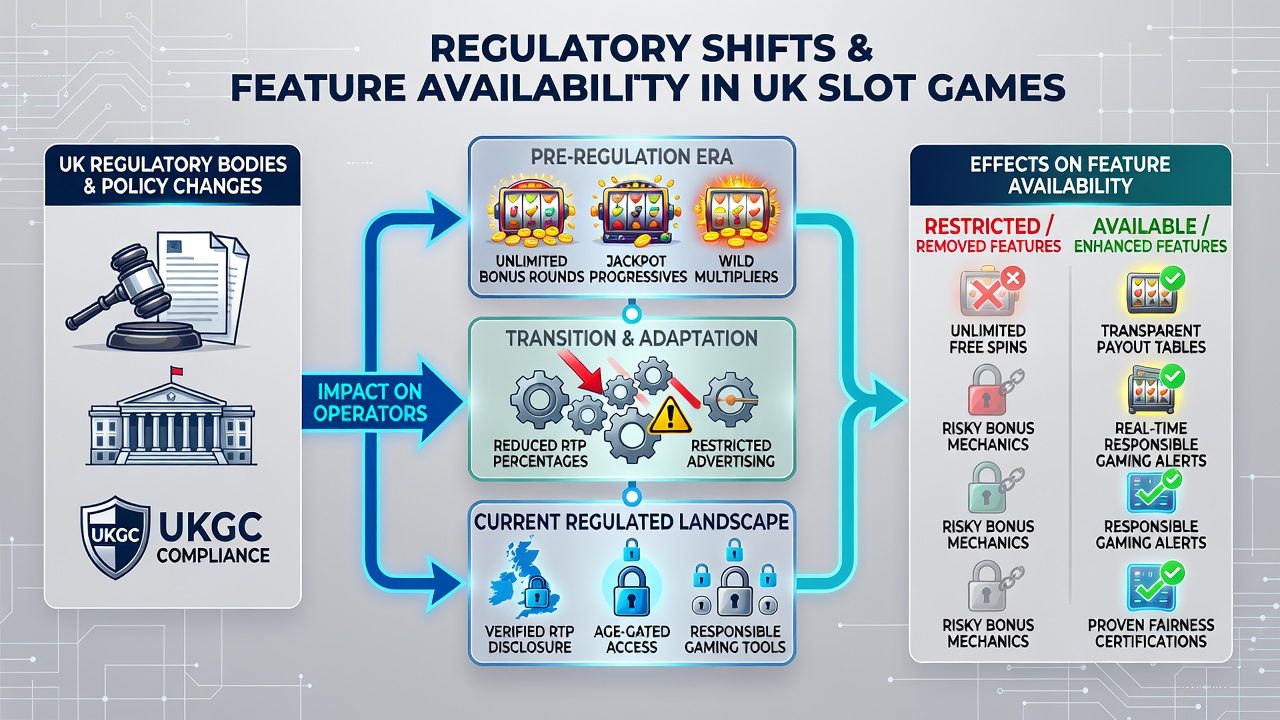
Regulatory bodies across multiple jurisdictions introduced updated guidelines between 2024 and 2026, and these measures directly influenced which mechanical elements operators could retain or modify in slot titles offered to UK users. Platforms adjusted bonus triggers, reel modifiers, and accumulation systems to align with new compliance standards while maintaining core gameplay loops.
Key Policy Changes Taking Effect
Officials in several regions implemented rules that required clearer disclosure of random number generator parameters, and operators responded by limiting certain layered bonus structures that previously combined multiple modifiers in single spins. Data from teh European Gaming and Betting Association shows participation rates in complex feature sets declined after similar transparency requirements rolled out in comparable markets. Platforms began removing or altering elements such as persistent reel locks and chained multiplier systems because these features required additional verification steps under the revised frameworks.
Researchers at the University of Nevada documented parallel shifts in North American markets where comparable rules reduced the availability of interactive pick-and-click rounds by 18 percent within the first year of enforcement. UK operators applied similar logic and phased out select auto-progression mechanics that triggered without explicit player input on each cycle.
Effects on Specific Game Mechanics
Feature availability changed most noticeably in progressive and linked jackpot engines, where seed funding and contribution algorithms faced stricter auditing. Operators replaced some networked accumulator models with standalone variants that reset more frequently but offered fewer escalating prize tiers. Those who studied these transitions noted that cascading reel sequences remained common, yet the depth of symbol removal chains shortened in many titles to meet session-time monitoring thresholds.
By July 2026 several major platforms had updated their libraries so that wild symbol expansions and respin grids appeared less frequently in new releases. Existing games underwent retrofits that replaced multi-stage bonus ladders with single-level alternatives, and this pattern reflected broader industry adaptation rather than isolated decisions. Industry reports indicate that volatility profiles stayed consistent overall even as the number of available modifiers per title decreased.
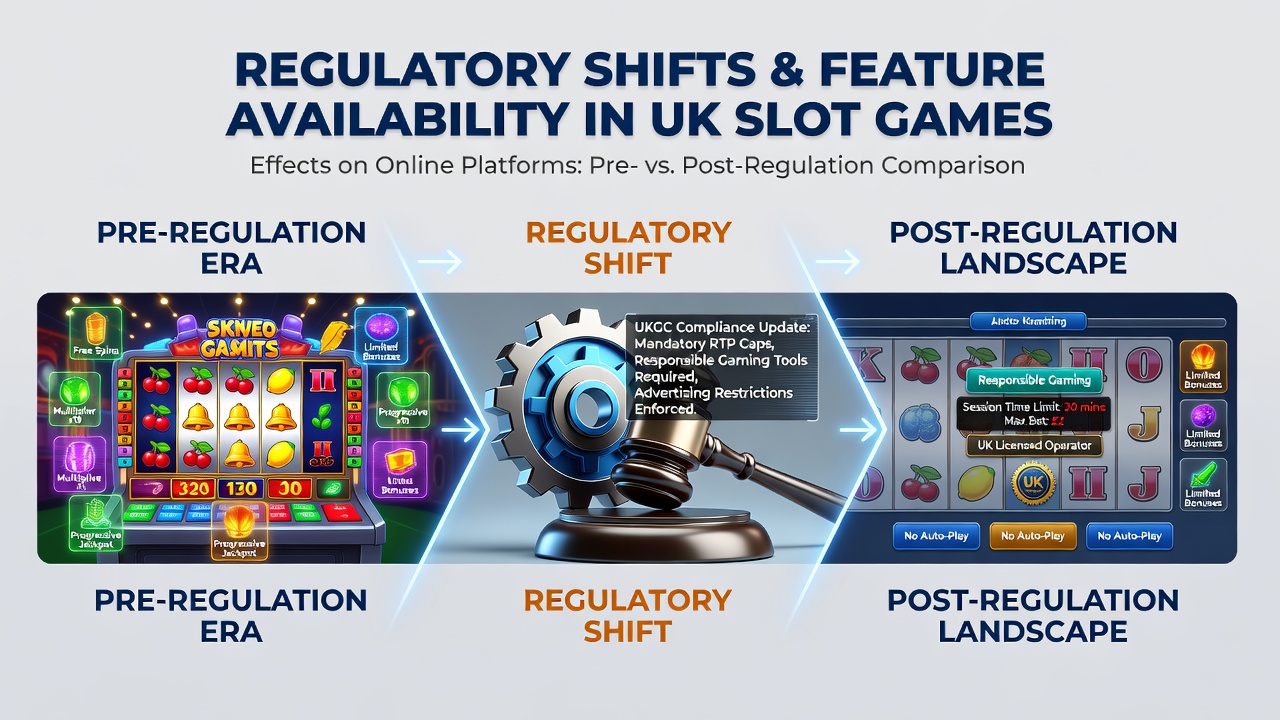
Platform-Level Adaptations and Availability Trends
Operators consolidated their game portfolios by retiring older titles that contained prohibited combination mechanics while commissioning replacements that retained visual appeal but simplified trigger conditions. Analysts observed that mobile-optimized versions retained more of the original feature sets than desktop counterparts because screen-size constraints already limited certain layered displays. External testing agencies verified compliance before re-certification, and this process extended release timelines for titles that incorporated advanced grid-filling or symbol-stacking elements.
Figures released by the American Gaming Association reveal that similar regulatory tightening in other territories correlated with a 12 percent reduction in titles featuring extended free-spin sequences that carried over multipliers from base play. UK platforms mirrored this adjustment by introducing more contained bonus rounds that concluded within fixed spin counts, and this approach satisfied both oversight requirements and player retention metrics tracked internally.
Longer-Term Patterns Across the Sector
Longitudinal reviews conducted by independent research groups indicate that feature availability stabilized after initial compliance waves, with many studios developing modular systems that allowed quick toggling of mechanics based on jurisdiction. Cross-border operators maintained separate UK-specific versions of flagship releases, and these variants often omitted persistent state elements such as accumulating wild positions or progressive meter contributions that exceeded new thresholds. The pattern suggests ongoing refinement rather than wholesale removal of engaging components.
Conclusion
Regulatory shifts through mid-2026 produced measurable changes in the mechanical options present in slot games on UK platforms. Operators adapted by revising bonus structures, limiting chained modifiers, and introducing jurisdiction-specific builds that preserved core appeal while meeting disclosure and verification standards. Continued monitoring from multiple regulatory bodies and research organizations will likely drive further incremental adjustments in the years ahead.