Symbol Stacking Mechanics Reshaping Bonus Accumulation Paths in Regulated UK Grid Variants
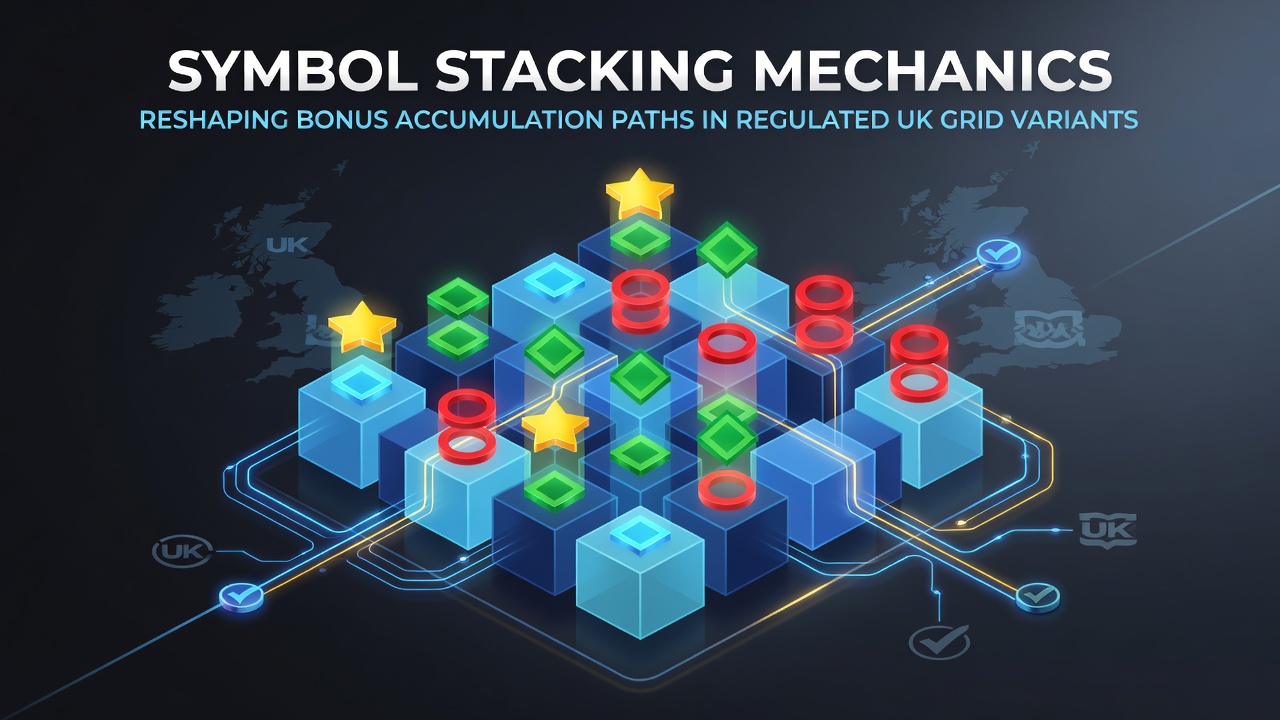
Symbol stacking has emerged as a core design element in grid variant slots offered across regulated UK markets, where vertical and horizontal symbol alignment directly influences how bonus rounds accumulate value. Developers integrate these mechanics into games that expand reels into multi-row configurations, allowing identical symbols to form continuous stacks that trigger progressive multipliers or fill collection meters. Data from industry analyses shows these systems alter standard bonus pathways by converting random symbol drops into structured accumulation sequences that reward sustained alignment over isolated wins.
Core Principles Behind Stacking in Grid Formats
Grid variants operate on rectangular reel arrays rather than traditional payline structures, and stacking mechanics extend this foundation by locking matching symbols into vertical columns or horizontal rows. When three or more identical symbols land adjacent in a column, the game engine merges them into a single stacked block that persists across subsequent spins or cascades. This process feeds directly into bonus meters, where each completed stack increments counters that unlock free spin rounds or multiplier ladders. Observers note that stacking frequency scales with reel height, so taller grids produce longer chains and accelerate accumulation compared with shorter layouts.
Engineers calibrate stack probability through weighted symbol tables that favor lower-value icons for frequent small stacks while reserving premium symbols for rarer, high-impact combinations. Research indicates that these weighting systems maintain regulatory compliance by preserving overall return-to-player percentages even as stacking introduces additional variance in bonus timing. Players encounter the effects most clearly during base game sequences, where a single spin can generate multiple overlapping stacks that compound toward the same bonus threshold.
How Stacking Redirects Traditional Bonus Routes
Conventional bonus accumulation in slots relies on scatter symbols or separate collection features, yet stacking integrates those functions into the main reel grid itself. Instead of waiting for three scattered icons, participants build progress through repeated symbol merges that automatically populate dedicated meters displayed alongside the reels. One study of grid engine behavior revealed that stacking reduces the average number of spins required to reach bonus activation by channeling ordinary symbol outcomes into measurable progress. This redirection creates tighter feedback loops where each spin contributes to both immediate payouts and long-term bonus readiness.
Multipliers attached to stacked blocks further modify accumulation paths because they apply to every symbol within the block simultaneously. When a stack reaches five symbols high, the attached multiplier often doubles or triples the entire block's contribution to the bonus meter, producing exponential rather than linear growth. Figures from operator performance reports confirm that games employing this layered approach record higher engagement metrics during extended sessions precisely because the stacking mechanic sustains momentum between bonus events.
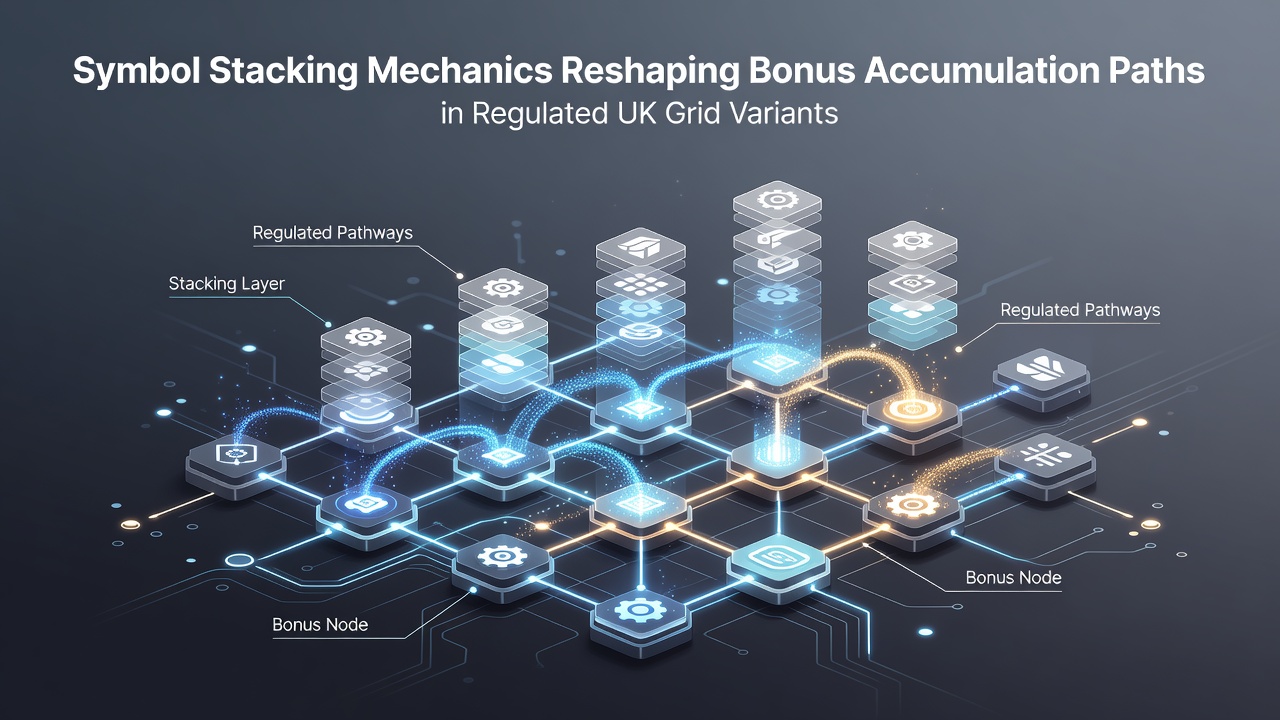
Implementation Patterns Across UK-Available Grid Titles
Regulated platforms in the UK feature grid variants from multiple studios that apply stacking with distinct visual and mathematical signatures. Some titles display expanding stacks that physically grow taller with each matching symbol added, while others convert completed stacks into wild blocks that remain active for the next several spins. Both approaches feed the same underlying bonus meters yet create different pacing for players who track symbol positions manually. July 2026 saw several established grid releases receive minor updates that refined stack detection algorithms to handle edge cases where partial overlaps previously failed to register.
Cross-game comparisons show that stacking depth often correlates with maximum reel height, with six-row grids permitting taller stacks than four-row counterparts. This structural difference directly affects how quickly bonus rounds become accessible and how large the resulting prize pools can grow before activation. Trade data collected by the European Gaming and Betting Association illustrates consistent patterns across jurisdictions where similar grid engines operate under comparable oversight frameworks.
Regulatory and Technical Safeguards in Place
Independent testing laboratories verify that stacking algorithms do not alter certified return-to-player values when symbols merge or persist across spins. Random number generators continue to determine initial symbol placement, after which deterministic stacking rules apply without introducing additional randomness. This separation keeps outcomes predictable for audit purposes while still delivering the dynamic visual feedback that stacking provides. Academic papers on slot mathematics, including work published through the University of Nevada, Las Vegas gaming research program, document how such hybrid systems maintain fairness across thousands of simulated cycles.
Platform operators must display clear meter progress indicators so participants understand how stacking contributes to bonus eligibility. These displays update in real time as symbols merge, giving immediate feedback on remaining requirements. Compliance documentation shows that transparent presentation of stacking mechanics forms part of broader responsible gaming standards applied to grid variant titles.
Conclusion
Symbol stacking has become a defining characteristic of grid variant slots in regulated UK environments because it converts standard reel outcomes into measurable bonus progress. The mechanic operates through persistent vertical or horizontal merges that feed collection systems and apply layered multipliers. Technical safeguards and independent verification ensure these features function within certified parameters, while July 2026 updates refined detection routines without changing core mathematics. Continued adoption across multiple studios demonstrates how stacking reshapes bonus pathways into more integrated experiences that tie base game play directly to feature activation.