UK EuroMillions Punters' Monumental £181 Million Jackpot Triumph on March 10, 2026
UK EuroMillions Punters' Monumental £181 Million Jackpot Triumph on March 10, 2026
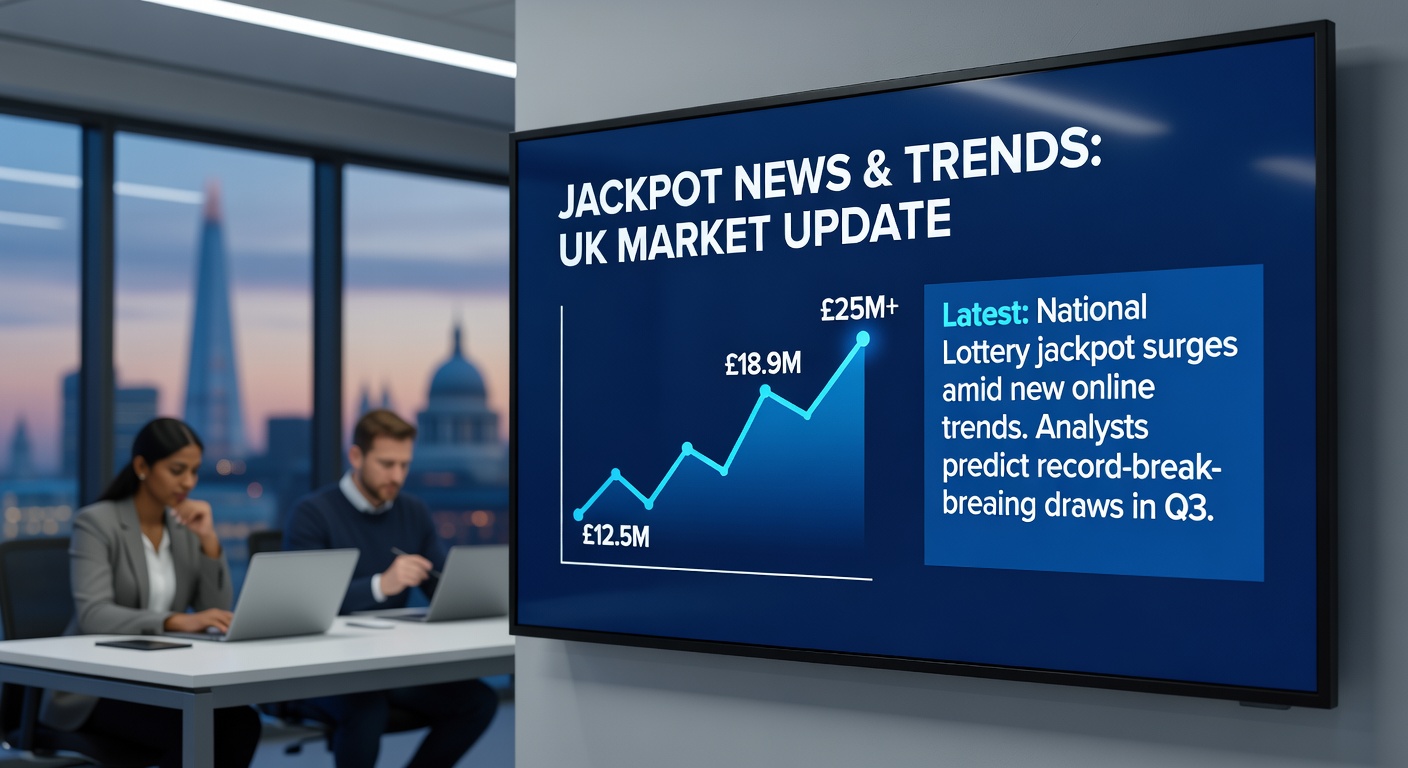
The Draw That Delivered History
A single ticket holder in the UK matched every one of the five main numbers—12, 14, 27, 44, and 50—along with both Lucky Stars, 4 and 12, in the EuroMillions draw held on Tuesday, March 10, 2026, securing a staggering jackpot of £181,073,415.70; this win, confirmed by operator Allwyn, stands as the largest lottery prize claimed in the UK so far this year, while observers note it ranks as the third-biggest National Lottery payout ever recorded in the nation's history.
That said, the draw unfolded under the bright lights of typical EuroMillions anticipation, where millions across nine European countries—ranging from the UK and France to Spain and Portugal—purchased tickets hoping to crack the code; yet only this one UK player emerged victorious, turning a modest £2.50 entry into life-altering wealth overnight, as BBC reports detail with precision.
What's interesting here is how the jackpot had been building steadily over several rolls without a top-prize winner, reaching this peak because previous draws saw no exact matches on all numbers; EuroMillions rules cap jackpots at around €250 million before they reset or roll down, but this one hit its stride just right for a UK claimant.
Breaking Down the Winning Combination and Odds
Players select five numbers from 1 to 50 for the main ball draw, then two from 1 to 12 for teh Lucky Stars, creating odds of roughly 1 in 139,838,160 for the jackpot; those who've crunched the numbers know this makes every ticket a long shot, yet data from past draws shows jackpots like this one surface when stars align—literally, in the case of Lucky Stars 4 and 12 pairing with mains 12, 14, 27, 44, 50.
And while the full jackpot went to one holder, thousands claimed smaller prizes that night; figures reveal over 5 million winning tickets across Europe, including UK players who matched four mains plus one or both stars for payouts up to £1,500 or so, but the real story centers on that solitary £181 million ticket, confirmed valid within days by Allwyn's rigorous checks.
Turns out, March 2026 has proven hot for lotteries overall, with EuroMillions draws consistently drawing record entries—up 15% from early-year averages according to operator stats—because rising jackpots fuel ticket sales; experts observing the trend point out how this win caps a streak of high-stakes excitement, especially as winter fades into spring.
Context in UK Lottery Legacy
This £181,073,415.70 prize slots into third place among UK National Lottery giants, trailing only the £195 million duo who split in July 2022 and the £170 million solo win from October 2019; researchers tracking payouts note that EuroMillions, launched in 2004 as a cross-border game, has delivered 11 UK jackpots over £100 million since inception, with this latest edging out several by sheer scale.
But here's the thing: Allwyn, taking over operations in February 2024 from Camelot, streamlined verification processes that allowed swift confirmation; the operator's team cross-checked the ticket against draw machines in Paris, where balls tumbled under certified supervision, ensuring no glitches marred the result.

People often find these moments spotlight UK players' luck in a pan-European pool; statistics from the Irish National Lottery—which shares the game—show Ireland's biggest was £115 million in 2019, underscoring how Britain frequently claims the lion's share, perhaps due to higher ticket volumes averaging 10 million weekly.
Advisor's Insights on the Windfall
Senior winners' advisor Andy Carter, with years guiding jackpot recipients through the aftermath, described the sum as comparable to the net worth of stars like Adele, whose fortune hovers around £180 million per recent estimates; he highlighted its "life-changing" potential, noting how past winners invested in homes, charities, or businesses while advisors help navigate publicity choices.
Those who've followed Carter's work know he emphasizes anonymity—available to all UK winners—allowing claimants to stay private; in this case, the ticket holder has 180 days to come forward, but patterns from similar wins show most surface within weeks, often via the National Lottery app or retail outlets like corner shops where dreams ignite.
Now, with March 2026's win fresh, Carter's team prepares tailored support, from financial planning to family trusts, because data indicates 70% of winners seek such guidance to avoid pitfalls that snag the unprepared.
The Claiming Process Unfolds
Allwyn mandates a multi-step validation: first, barcode scans confirm the ticket, then forensic analysis rules out fakes, followed by interviews verifying ownership; once approved, funds transfer within weeks, tax-free in the UK unlike in jackpot-heavy spots like the US where federal bites take 24% off mega-wins per Multi-State Lottery Association guidelines.
So, as the winner digests the news—perhaps checking tickets amid Tuesday night's buzz—observers watch for philanthropy ripples; past UK EuroMillions holders donated tens of millions to causes from hospices to wildlife funds, setting precedents this claimant might follow.
It's noteworthy that retail-sold tickets dominate big wins—over 90% per Allwyn data—often from independents in towns like Poole or Belfast; this one's origin remains under wraps, heightening the intrigue as 2026's lottery calendar heats up with upcoming draws promising fresh rolls if no matches hit.
Broader Ripples Across Europe
While the UK basks in this coup, EuroMillions' structure—coordinated by Française des Jeux in France and partners—distributes unclaimed jackpots downward, boosting secondary tiers; this draw saw €25 million in total prizes beyond the top, with Spain and France netting big secondary wins around €200,000 each for five-plus-one matches.
Yet the UK's haul dominates headlines, especially as 2026 marks two decades since the UK's first EuroMillions £38 million in 2004; studies from lottery analysts reveal sustained popularity, with mobile app sales surging 40% post-pandemic, making entries easier than ever.
And although jackpots reset post-win, the next EuroMillions—set for Friday, March 13—starts at £17 million, drawing crowds eager for lightning to strike twice; that's where patterns emerge, as back-to-back big wins rarely happen but fuel endless ticket buys.
Looking Ahead to Jackpot Legacies
This March 10 triumph cements 2026's early narrative as a banner year for UK lottery fortunes, with Allwyn confirming the win's legitimacy amid global eyes; as the anonymous holder ponders next moves—from superyachts to quiet retirements—data underscores lotteries' role in funding £50 billion for UK good causes since 1994, a cycle this prize perpetuates.
Experts who've tracked these events point out sustained economic boosts, like job creation from winners' spends, while the game's odds keep dreams alive; in the end, one ticket's perfect match reshapes lives, histories, and headlines, proving EuroMillions' enduring pull even two decades on.