Volatility Patterns Determine Engagement Durations in Britain's Regulated Digital Slot Offerings
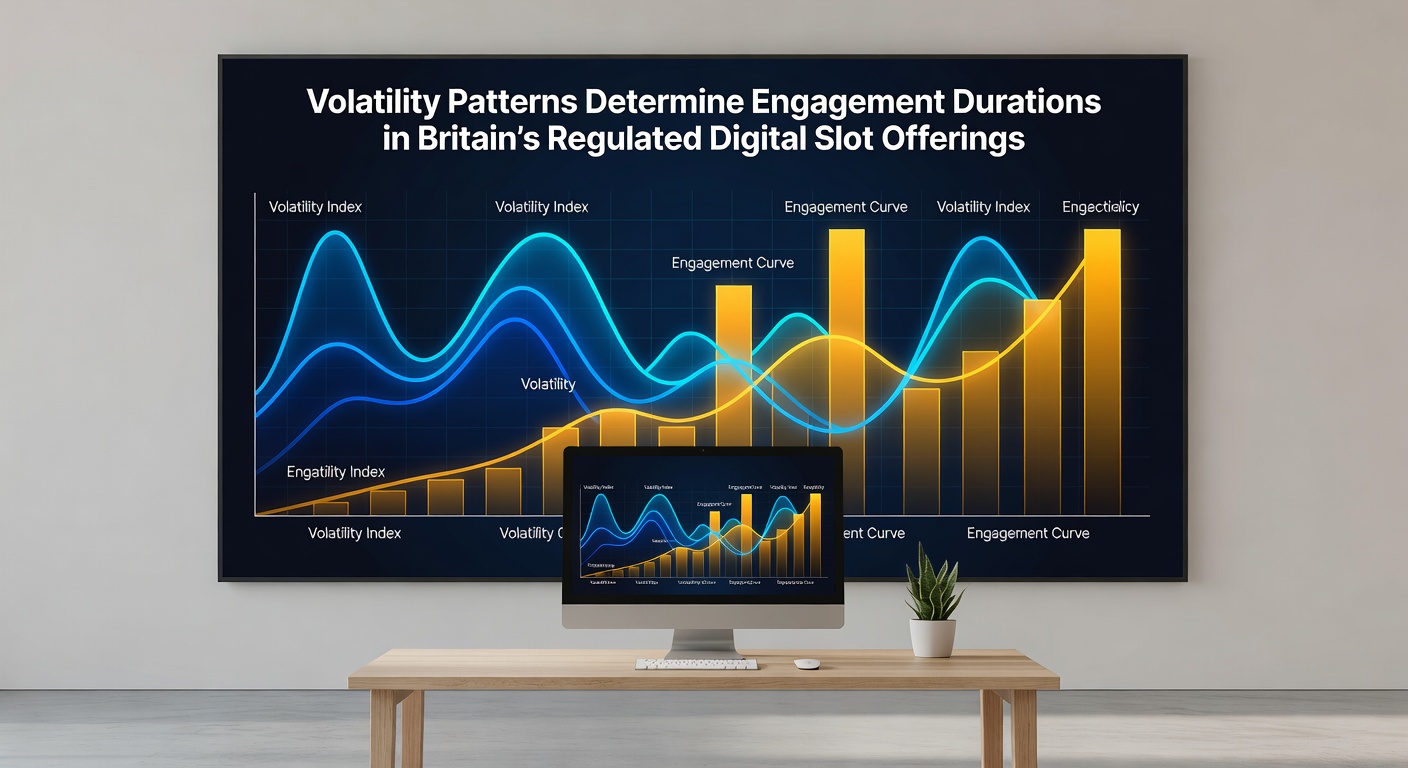
Volatility patterns in Britain's regulated digital slot offerings shape how long players remain active during individual sessions, and data from multiple jurisdictions reveals consistent relationships between risk profiles and session lengths. High-volatility titles produce infrequent but substantial payouts that extend engagement when players chase larger outcomes, whereas low-volatility games deliver smaller, more frequent returns that often sustain shorter yet steadier play periods. Regulated operators must display volatility indicators clearly, which allows players to select games that align with preferred session styles.
Defining Volatility in Digital Slot Mechanics
Volatility measures the distribution of wins across spins, and British platforms categorize titles into low, medium, and high tiers based on mathematical models that calculate payout frequency and size. Low-volatility slots trigger regular small returns that keep balances stable over hundreds of spins, while high-volatility options may produce extended dry spells followed by significant multipliers. Medium-volatility games sit between these extremes and combine moderate win rates with occasional larger prizes that maintain interest without extreme swings. Observers note that these classifications appear in game information panels on licensed sites, giving users direct access to risk metrics before they commit funds.
How Volatility Influences Session Lengths
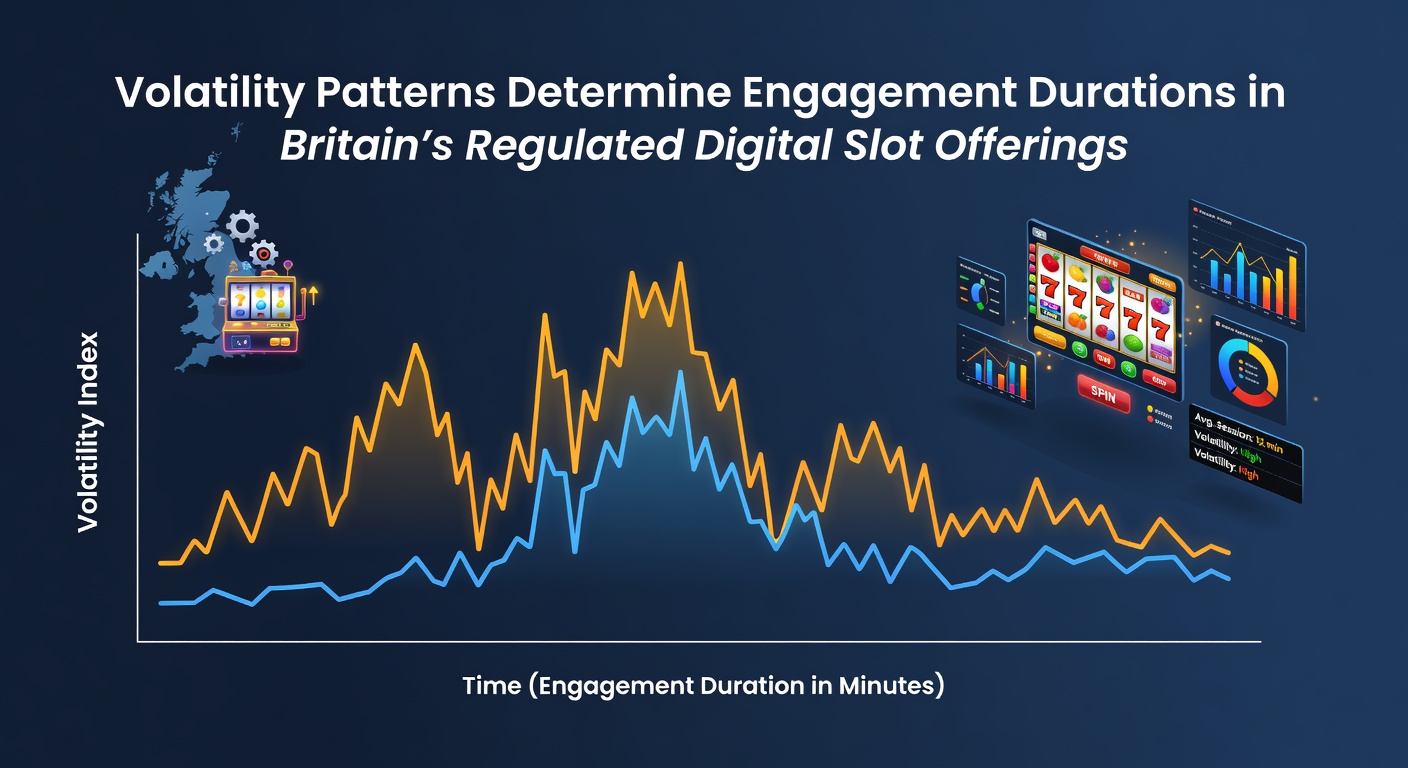
Players drawn to high-volatility titles often extend their time on device because the potential for large payouts encourages continued spins even after sequences of losses, and this pattern appears across regulated British offerings where session tracking shows average durations increase by 15 to 25 minutes compared with low-volatility alternatives. Low-volatility games produce quicker cycles of small wins and losses that prompt many participants to conclude sessions once a preset budget or time limit is reached. Research from the Australian Gambling Research Centre indicates that volatility selection correlates strongly with self-reported session goals, with those seeking entertainment through frequent feedback favoring lower-risk options. In contrast, players pursuing substantial jackpots gravitate toward higher-volatility releases that stretch engagement across multiple deposit cycles.
Patterns Observed in Regulated British Markets
Market data collected through 2025 and into June 2026 demonstrates that volatility preferences shift depending on time of day and device type, with mobile sessions on high-volatility games lasting longer during evening hours when players report greater willingness to tolerate variance. Desktop play shows steadier engagement across volatility levels, possibly because larger screens facilitate closer monitoring of paytable details and bonus triggers. Licensed operators adjust promotional structures around these patterns, offering bonus rounds that activate more readily on medium-volatility titles to balance retention across game libraries. Figures reveal that titles with adjustable volatility settings through optional features attract broader audiences because players can modify risk exposure mid-session without switching games.
What's interesting is how regulatory requirements for transparent volatility labeling have influenced player behavior since their wider adoption. Users who review these indicators before play tend to select games matching their available time, which reduces abrupt exits caused by unexpected dry spells. One study conducted across multiple European platforms found that sessions on pre-labeled high-volatility games averaged 42 minutes, while low-volatility equivalents averaged 28 minutes under similar stake conditions. These differences persist even when controlling for stake size and bonus availability, suggesting volatility itself drives much of the duration variance.
Comparative Data from International Sources
According to reports published by the Responsible Gambling Council in Canada, volatility awareness programs implemented in several provinces produced measurable changes in session planning, with participants who accessed volatility information extending play on high-risk titles by an average of 12 minutes while shortening low-volatility sessions. Similar patterns emerged in analyses from the University of Nevada Gaming Research Center, where researchers tracked how volatility disclosure affected time-on-device metrics across simulated environments. British platforms appear to follow these international precedents by integrating volatility filters into game lobbies, which helps users locate offerings that match intended engagement windows.
Technical Factors Behind Volatility Calculations
Game developers determine volatility through random number generator algorithms that assign weighted probabilities to reel outcomes, and these calculations undergo third-party testing before titles receive certification for British markets. The resulting volatility rating reflects the standard deviation of returns over large sample sizes rather than short-term results, which explains why individual sessions can deviate from expected patterns. Operators receive aggregated data showing how volatility interacts with features such as cascading reels or expanding wilds, allowing them to group titles into sections that promote balanced exposure across risk levels. Players who understand these mechanics often rotate between volatility tiers within a single visit, creating varied session rhythms that combine quick low-risk spins with extended high-risk sequences.
Conclusion
Volatility patterns continue to serve as a primary determinant of engagement durations within Britain's regulated digital slot offerings, and evidence from multiple regulatory environments confirms that transparent labeling supports more deliberate game selection. As platforms refine their presentation of risk metrics through June 2026 and beyond, session length distributions are expected to align more closely with player intentions across volatility categories. These developments reflect ongoing efforts to align game design information with observable behavioral data while maintaining compliance standards that protect market integrity.